

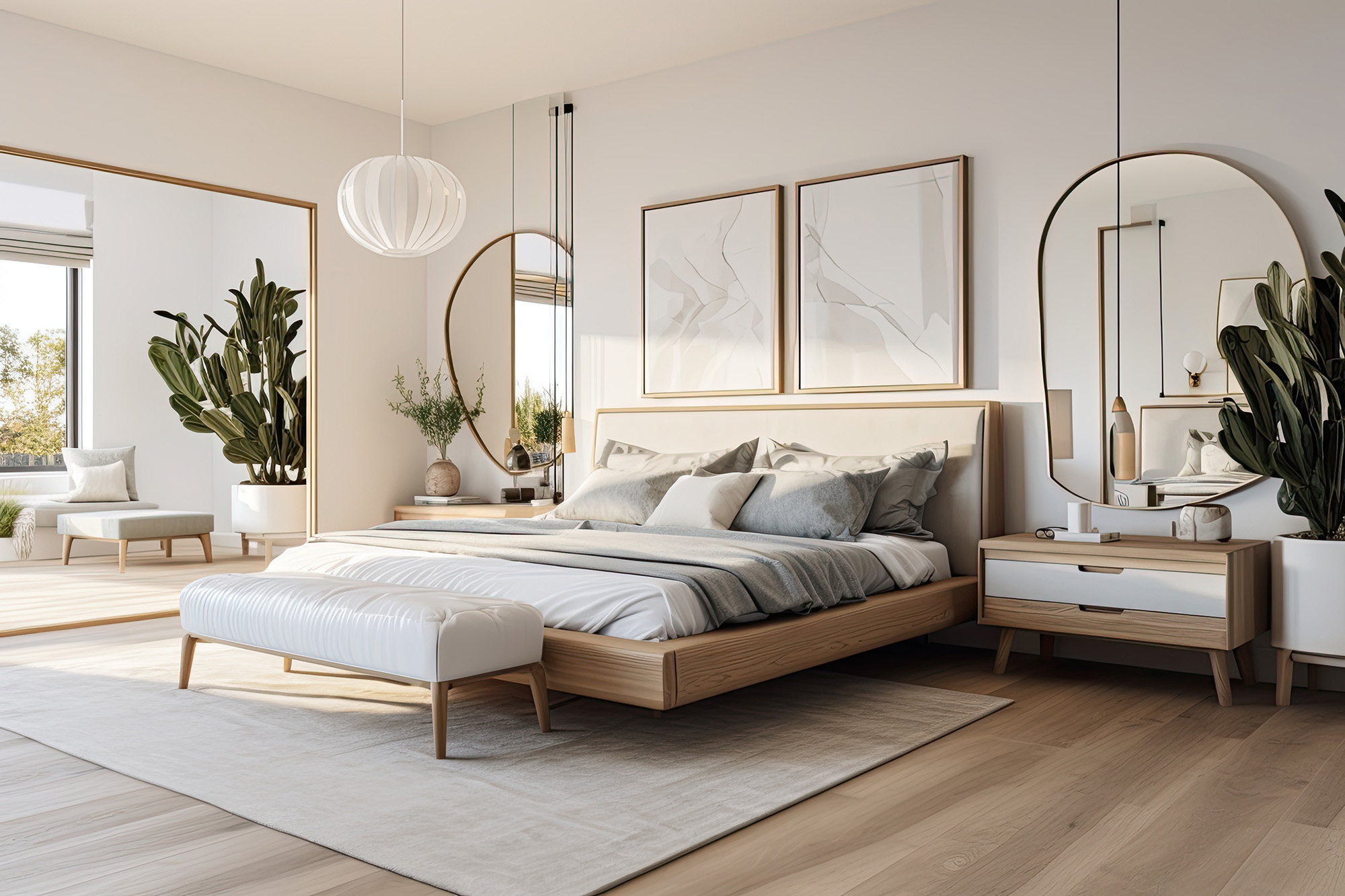
At Di's Carpet in Springfield, OR, homeowners often ask about the difference between softwood and hardwood flooring when exploring real wood options. While both come from natural wood species, they perform very differently in terms of durability, maintenance, and long-term value.
If you are considering wood flooring in Springfield, Eugene, Cottage Grove, Creswell, or Pleasant Hill, understanding how species choice impacts performance will help you make the right investment for your home.
What Is the Difference Between Softwood and Hardwood?
The terms softwood and hardwood refer to the type of tree the wood comes from, not just how hard the material feels.
Hardwood Flooring
Hardwood comes from deciduous trees such as:
Oak
Maple
Hickory
Walnut
These trees grow more slowly, resulting in denser wood that is well-suited for flooring.
Softwood Flooring
Softwood comes from coniferous trees such as:
Pine
Fir
Cedar
These species grow faster and tend to be less dense, which affects durability and performance.
Durability and Performance Differences
One of the most important factors when choosing flooring is how well it holds up to daily use.
Hardwood Durability
Hardwood flooring is known for its strength and longevity.
Benefits include:
High resistance to dents and scratches
Suitable for high-traffic areas
Long lifespan with refinishing potential
In busy Springfield households, hardwood performs well in living rooms, hallways, and kitchens.
Softwood Durability
Softwood flooring is more susceptible to wear.
Considerations include:
More prone to dents and scratches
Softer surface can show wear more quickly
Better suited for low-traffic areas
Some homeowners appreciate the natural wear of softwood, which can create a rustic or aged look over time.
Best Use Cases by Room and Lifestyle
Choosing between softwood and hardwood often depends on how each room is used.
Where Hardwood Flooring Works Best
Hardwood is ideal for:
High-traffic living areas
Kitchens and dining spaces
Entryways and hallways
Homes with pets and children
For most homeowners in Springfield and Eugene, hardwood flooring offers the durability needed for everyday life.
Where Softwood Flooring Makes Sense
Softwood can be a good fit for:
Bedrooms
Low-traffic spaces
Homes with a rustic or traditional design style
In Cottage Grove or Pleasant Hill homes with a more natural or farmhouse aesthetic, softwood flooring can add warmth and character.
How Species Choice Affects Appearance
The species you choose has a major impact on the overall look of your floors.
Hardwood Appearance
Hardwood species offer a wide range of styles:
Oak provides classic grain patterns
Maple offers a smooth, subtle appearance
Hickory delivers bold variation and texture
Homeowners in Springfield often choose hardwood for its versatility and ability to match different interior styles.
Softwood Appearance
Softwood species typically feature:
Lighter tones
Visible knots and grain variation
A more casual, rustic look
This can create a cozy, lived-in feel that works well in certain home designs.
Cost Differences Between Softwood and Hardwood
Budget is another key factor when selecting flooring.
Hardwood Costs
Hardwood flooring generally costs more due to:
Slower-growing wood sources
Greater durability
Higher long-term value
While the upfront cost is higher, hardwood often delivers better long-term return on investment.
Softwood Costs
Softwood flooring is typically more affordable because:
Trees grow faster
Materials are more readily available
However, increased maintenance and potential for wear should be considered when evaluating long-term costs.
Maintenance and Long-Term Care
Both softwood and hardwood require proper care, but maintenance needs vary.
Hardwood Maintenance
Regular sweeping and cleaning
Strong resistance to everyday wear
Hardwood floors in Springfield homes can last for decades with proper care.
Softwood Maintenance
More frequent maintenance due to surface wear
Greater likelihood of visible dents and scratches
May require refinishing sooner
Softwood floors require a bit more attention to maintain their appearance.
Climate Considerations in Oregon
Homes in Springfield, Eugene, Creswell, and surrounding areas experience moisture and humidity changes throughout the year.
Both softwood and hardwood:
Expand and contract with humidity
Require proper installation and acclimation
Benefit from stable indoor climate conditions
Engineered hardwood is often recommended in Oregon homes for improved stability compared to solid wood.
Which Is the Better Choice for Your Springfield Home?
For most homeowners, hardwood flooring is the preferred choice due to its durability, longevity, and resale value.
Softwood flooring can still be a good option if:
You prefer a rustic aesthetic
The space has low foot traffic
You are working within a tighter budget
The right decision depends on your lifestyle, design preferences, and how you plan to use each space.
Get Expert Advice at Di's Carpet
Choosing between softwood and hardwood flooring is easier when you can see and compare options in person. At Di's Carpet in Springfield, OR, our team can help you explore different wood species, understand performance differences, and select the right flooring for your home.
Visit our Springfield showroom or schedule a free in-home consultation to get expert guidance tailored to your space. We proudly serve homeowners in Springfield, Eugene, Cottage Grove, Creswell, and Pleasant Hill with trusted local expertise and professional installation services.


